




When I first began parenting my trauma-impacted child, I believed it was my job to fight every single battle. Isn’t that what consistency in parenting means, especially with a kid who has childhood trauma? You set a standard, you hold the line, and you deliver consequences when the standard isn’t met. But within the first two years, I learned the hard truth: I didn’t have the energy, the stamina, or the wisdom to fight every battle. Trying to do so created an environment of constant conflict and hostility in our home. And those were just the small skirmishes. As my child grew older, the challenges became more complex, and clarity was something I constantly grasped for as we stepped into new seasons and dilemmas.
I wanted obedience from my child, but I wasn’t seeking clarity from my own Father (God). Once I began asking Him which battles were mine to fight, I was surprised at how often He told me to step down, be near, or just release it all together.
Key Takeaways
- Not every battle is yours to fight. Just as biblical leaders paused to ask God before going to war, parents of trauma-impacted children are called to seek discernment before reacting — not every struggle requires a confrontation.
- Many “battles” are actually trauma responses. What looks like defiance is often a child’s survival response rooted in fear, shame, or unmet needs. Fighting these without wisdom can damage the relationship and deepen the wound.
- Connection matters more than correction. Children who have experienced trauma grow through feeling seen and safe, not through being overpowered. A parent’s role is to be a shepherd, not a conqueror.
- Prayer reorients your priorities. Asking God which battles to engage helps parents focus on what truly matters — a child’s sense of safety, identity, and belonging — rather than getting lost in daily power struggles.
- God fights battles we cannot. Releasing control to God isn’t passive parenting; it’s an act of trust and faith that creates space for healing beyond what any parent can accomplish alone.

Scripture’s Surprising Wisdom: Don’t Fight Every Battle
Throughout the Old Testament, leaders like David, Joshua, and Jehoshaphat didn’t automatically rush into war just because an enemy was nearby. Instead, they paused, prayed, and asked the Lord, “Should I fight this battle?”
Sometimes the Lord said, “Yes, go, and I will give you victory.”
Other times, He said, “Not yet,” or, “This isn’t your fight.” In one striking example, Israel fought the tribe of Benjamin only after asking God three times. Twice, God allowed them to go—and twice they suffered devastating losses. Only on the third inquiry did He promise victory.
The pattern is clear: when people fought in their own strength or assumptions, they often failed. But when they sought God’s direction, they discovered peace, provision, and victory that wasn’t dependent on their own ability.
As parents, that wisdom matters more than ever. Especially when raising a child whose trauma makes daily life feel like a battlefield.
The Parenting Battlefield With Childhood Trauma
Parenting a trauma-impacted child comes with hundreds of daily battles. Some feel small: brushing teeth, putting on shoes, finishing homework. Others feel overwhelming: aggression, dishonesty, sneaking food, or self-harm.
If we are not careful, we will try to fight them all. We correct, remind, argue, and demand until our children feel like they are under siege and our home feels like a battleground. And like Israel fighting without God’s blessing, the result is often discouragement, loss, and relational damage.
The truth is, not every battle is ours to fight. Some “battles” aren’t even battles at all—they’re survival responses born from fear, shame, or unmet needs. Fighting those blindly, without seeking God first, risks wounding the very child we’re trying to heal.
Why Asking Matters
When David asked God before battle, he acknowledged two crucial truths:
- He wasn’t in control of the outcome. Victory belonged to the Lord.
- Not every fight was his to fight. Sometimes retreat, patience, or redirection was the wiser path.
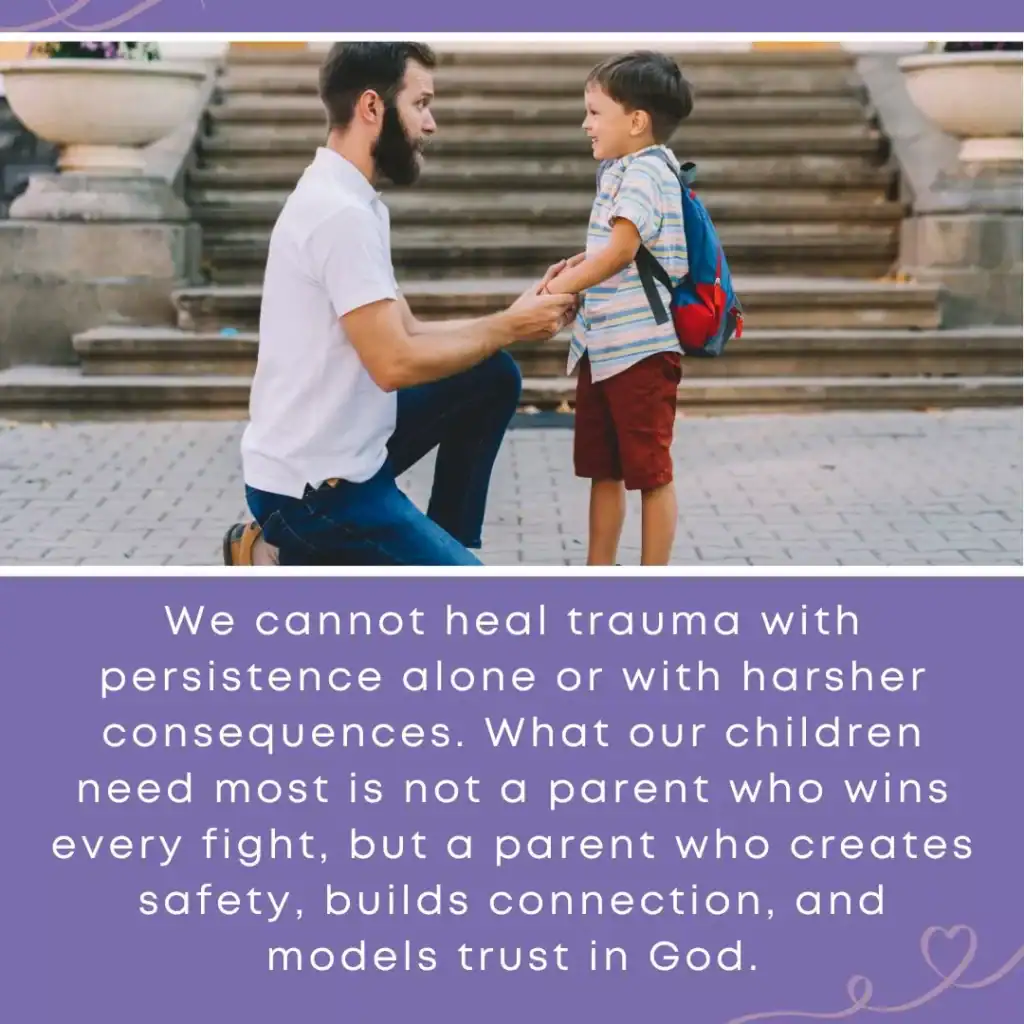
The same is true in parenting. Asking God what battles to fight teaches us humility. It reminds us that we are not our child’s Savior. We cannot heal trauma with persistence alone or with harsher consequences. What our children need most is not a parent who wins every fight, but a parent who creates safety, builds connection, and models trust in God.
It’s also about priorities. If we’re constantly battling over messy rooms, undone worksheets, or eye-rolling at the dinner table, we may miss the bigger, eternal battles—like protecting their sense of safety, cultivating identity, or nurturing a heart that knows it is deeply loved.
Fighting Childhood Trauma With Wisdom
So how do we actually apply this?
1. Pause Before Reacting.
When your child digs in, resist assuming it’s defiance. Ask quietly in your heart: “Lord, is this a battle to fight or one to let go?”
2. Choose Connection Over Correction.
Romans 2:4 reminds us that God’s kindness leads to repentance. In the same way, children often grow not through being “set straight,” but by being seen and valued.
3. See the Bigger Picture.
Like David training in the hills before facing Goliath, our kids are works in progress. They won’t master everything today. Asking God helps us focus on long-term growth, not just short-term control.
When We Don’t Ask
When Israel rushed into battle without God’s direction, the consequences were often tragic—losses, humiliation, even exile. Parenting without prayer can have similar results. We may lose
trust, lose peace in our homes, and worst of all, our children may come to believe we are against them instead of for them.
Parenting, Childhood Trauma, and Trusting the God Who Fights for Us
The most freeing truth is this: some battles aren’t ours at all. The battle is not yours but God’s (2 Chronicles 20:15). He reminds us that He is the ultimate healer and defender of our children.
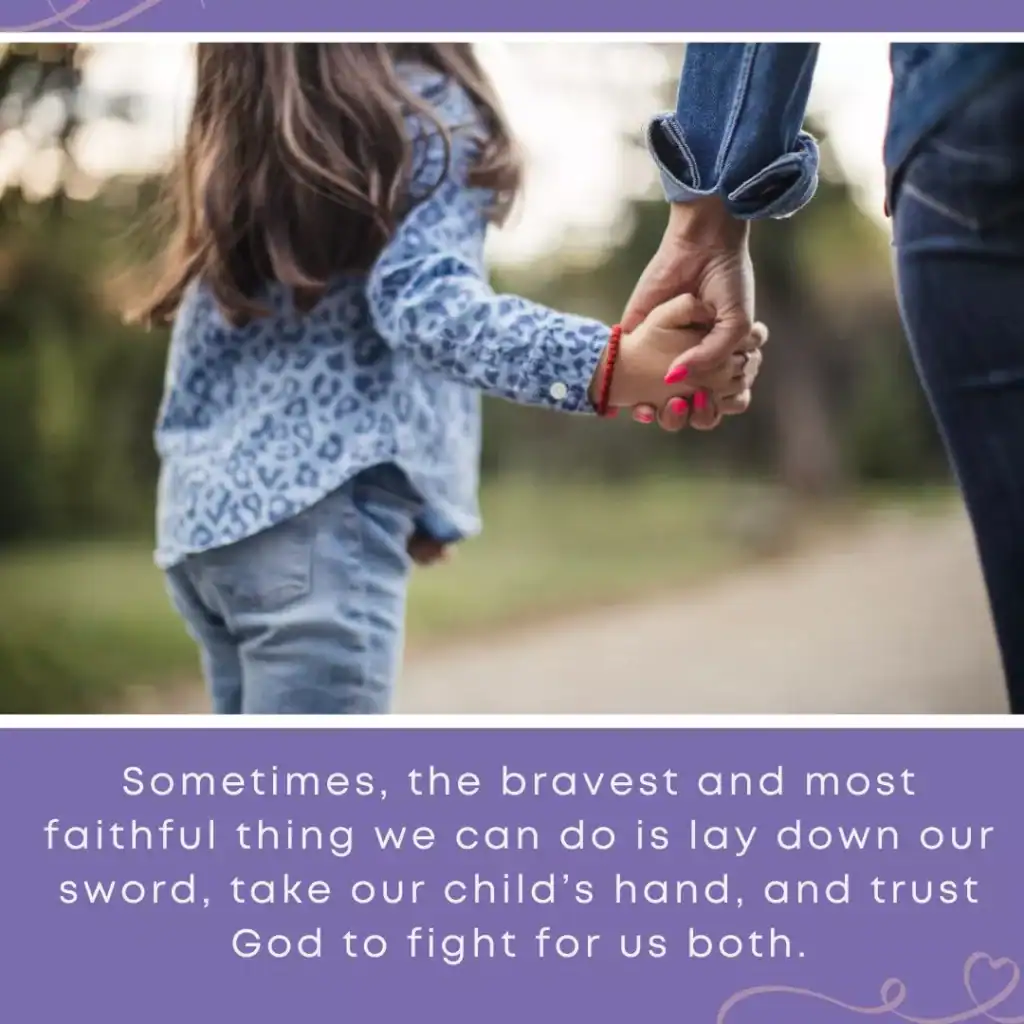
When we pause, pray, and ask, we parent not as warriors trying to conquer, but as shepherds guiding. Real spiritual growth doesn’t always come in the form of a battle. It often comes in the form of humility, peace, and surrender. Because sometimes, the bravest and most faithful thing we can do is lay down our sword, take our child’s hand, and trust God to fight for us both.
Summary
Parenting a trauma-impacted child is one of the most humbling and demanding callings a person can walk — and it is one that cannot be done well in our own strength. Like the leaders of the Old Testament who stopped to ask God before entering battle, we too are invited to pause, pray, and seek His wisdom before reacting to our children’s hardest moments. Not every struggle is a battle to win. Some are invitations to draw near, to listen, and to trust the One who knows our children far better than we ever could. When we release the need to fight every fight, we stop parenting out of fear and begin parenting from faith — and in that surrender, we often discover the peace, connection, and healing our families so desperately need.