





When you bring your baby home from the hospital, the rigors of basic training begin.
Parenting Trait


Think about what kind of communication will get your message about drugs and alcohol across effectively and always leave the door open for further conversations.
Take every chance you can to practice faith-talk with your children.

Help your teen embrace a culture of kindness when their world seems to promote selfishness.
In addition to being intentional about communicating with your children, be intentional about modeling and sharing your faith.
Parents need to continually repeat the basic truths of God to our children.

The addictive nature of video games and social media means that too much of either isn’t healthy for teens.
Adoption options include domestic foster care, domestic infant, international, open, closed and embryo.
As you educate yourself about drugs and alcohol, you will feel more capable when talking to your child about the issue.

Teach your teens selflessness . . . even in a materialistic world.
The more information a couple has when pursuing adoption, the more prepared they will be for any problems that may surface.
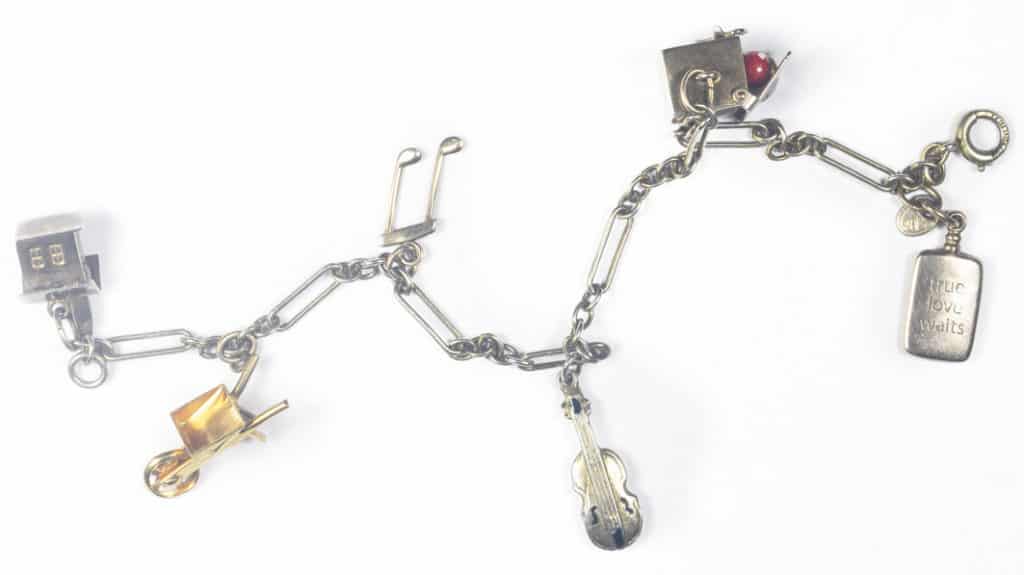
See which of these traditions might work for your family!

What is the next teachable moment or transition in your daughter’s life? How can you add affirmation and encouragement to that moment?

Providing a way for your child to gain an understanding of how his day will go may eliminate some of the undesirable behaviors that tend to rear their ugly heads during transition times.
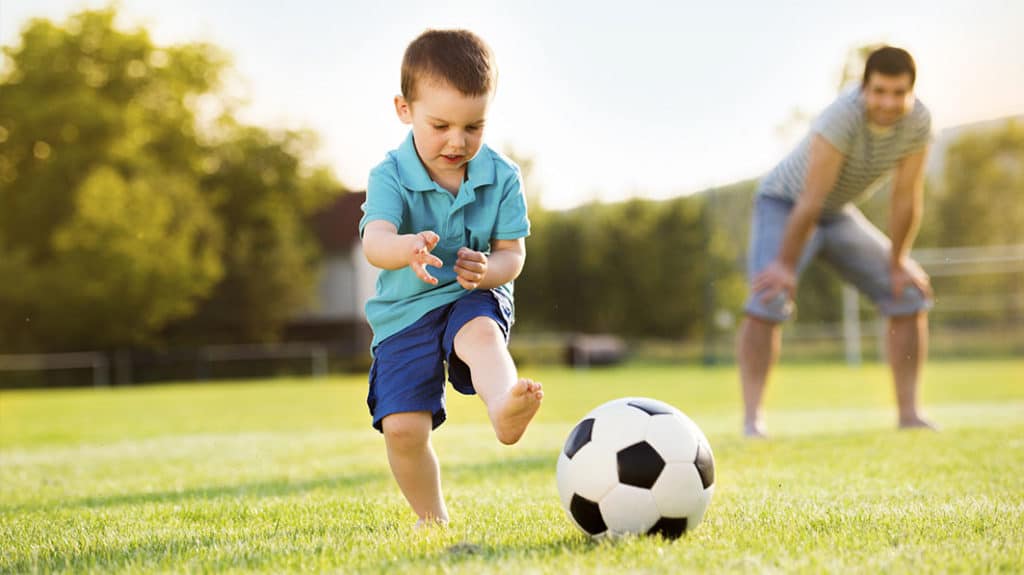
Use your children’s involvement in sports to teach them about life.

If every parent’s job is to make sure his or her children turn out “right,” it would mean God messed up.

Our task is not only scriptural instruction but also role modeling.

Get into the mind-set that everything you do as a parent ultimately is part of validating or nurturing your children.
Celebrate personal moments in a powerful way that can breathe life into a young person’s heart and future!
Help kids ages 4-7 learn God’s Word