





Abusive marriages are more common than many realize and can have damaging, life-long effects on a couple’s children.
Ages 4-8 (Preschool/Primary)


Playing games and doing activities with our kids is a fantastic opportunity to connect with them, help them learn, and beat boredom.

Halloween can feel like harmless fun—but for Christian parents, the question goes deeper. Is it just cultural, or does it carry spiritual risks?

To prevent anxiety in parenting, we must be purposeful in practicing how to focus on the present rather than uncertainty about the future.

Speaking into our grandchildren’s lives through Scripture is a privilege. Grandparents can instill faith, compassion, and Christian values in grandchildren through learning Bible verses.

Kintsugi is the art of repairing something that has been broken with gold, with the understanding that the object is more beautiful because it has been broken. Like the art of kintsugi, God repairs the brokenness in our lives and makes us more beautiful through the process.
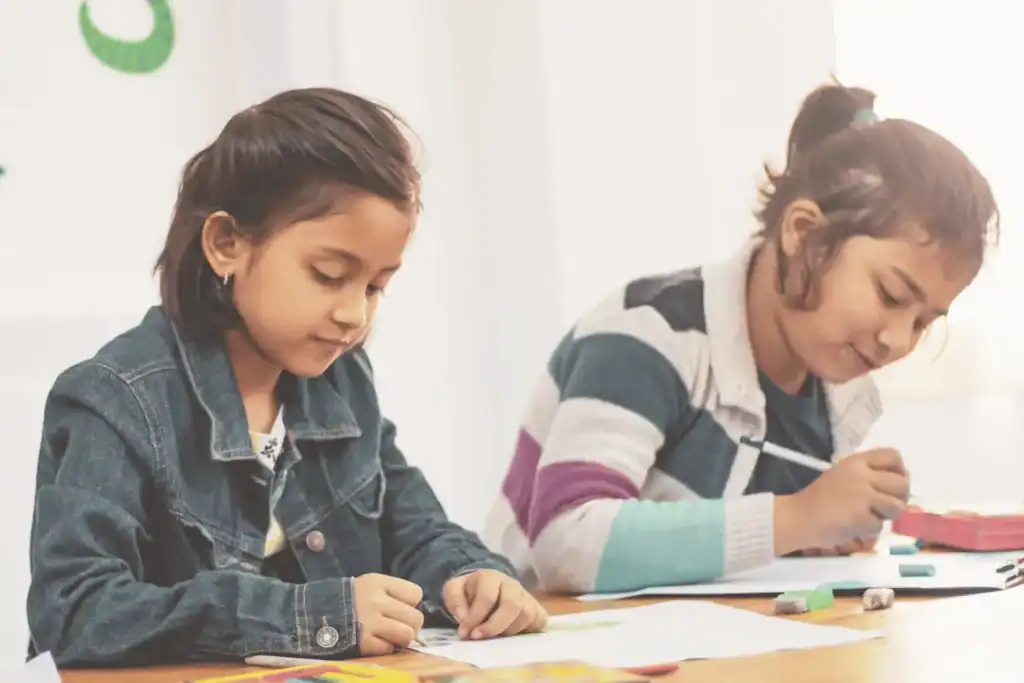
These 10 tips can help you understand ASD and guide your elementary-aged child with autism through the early school years.

What are the symptoms of ADHD in kids and how can parents manage it? Understanding ADHD requires close observation of a child’s behaviors in order to notice patterns that help determine the best method of treatment.

Kids with special needs can struggle during school breaks and holidays because a loss of routine and changing schedules. How can parents ease this transition for their kids?

Some children struggle to process sensory information that they see, hear, taste, feel or touch. They may also have difficulty with balance.

Parents need to be aware of dangerous social media challenges – such as the new Outlet Challenge – and should take steps to minimize the impact on their kids.
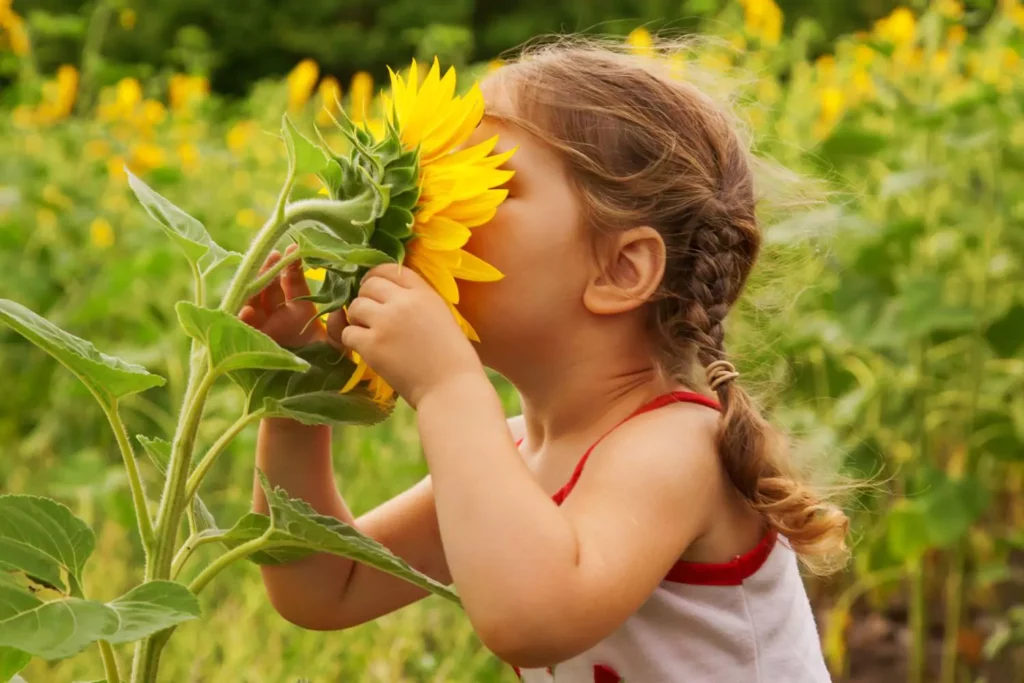
Understanding an unseen God is easier for children to grasp when we look at nature.

These six steps can help you to build self-confidence and a positive self-image in your children.

As children interact with Critical Race Theory, parents have the opportunity to help their kids develop their Christian worldview.

Having conversations with our kids is critical for building a solid foundation of trust, demonstrating steadfast love, and teaching them how to grow as a young person. These 50 questions to ask your kids are a great starting point for conversations around the dinner table.

A father’s gifts of quality time, life-giving words, and positive actions have a long-lasting impact on his children.

Does the authoritative parenting style work? Learn more about how this parenting style equips you to discipline and lead your kids well.

Biblical discipline is more than correcting behavior—it’s a loving, intentional process rooted in God’s character. Scripture defines discipline and why it plays a vital role in guiding children toward maturity, obedience, and long-term spiritual growth.

Prayer is more than talking to God—it’s a powerful way to shape your children’s spiritual life. When you pray for them and with them, you give a lasting gift of faith and guidance.

Real love goes beyond getting something in return—it’s about contributing to others’ lives. As parents, we can teach our children to love genuinely by helping them develop empathy, humility, and courage. You can model Christlike love and guide your children toward meaningful relationships built on trust and grace.