




Estimated reading time: 4 minutes
Table of contents
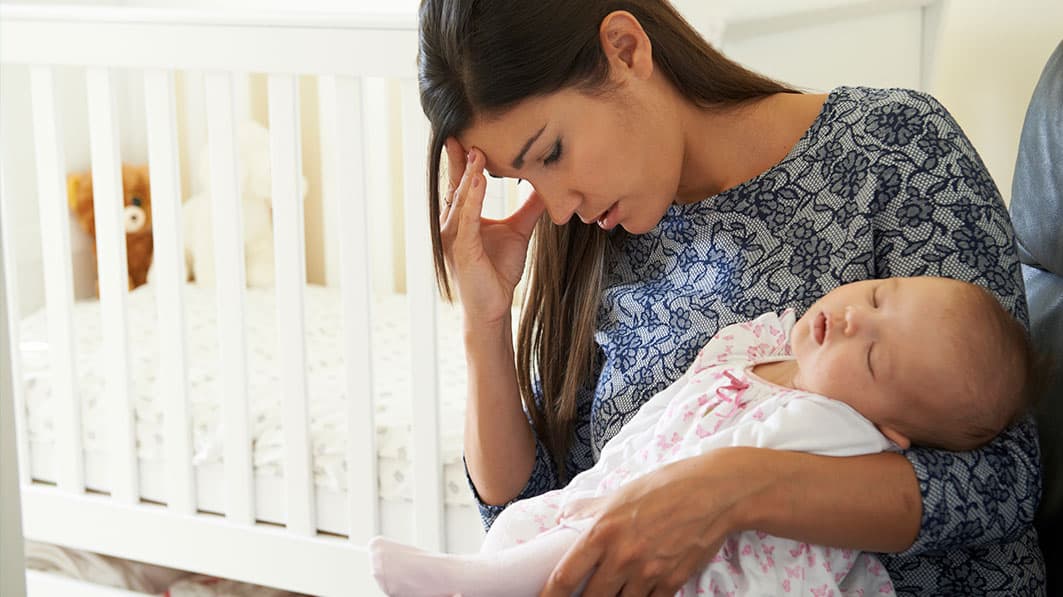
Postpartum depression is a difficult topic to discuss. Women may face feelings of shame as they experience changes in their mood and body after giving birth. But there doesn’t need to be guilt surrounding something you can’t control. By understanding what postpartum depression is and taking the struggle to the Lord, seeking medical help when needed, and asking for and receiving support from your husband, family, and friends, you can begin to walk the road of recovery.
The New Normal After Giving Birth
The high concentration of estrogen that prevails during pregnancy generally produces feelings of well-being. After delivery, however, estrogen levels drop and thyroid hormone levels may fluctuate for several weeks. These fluctuating levels can cause symptoms of postpartum depression.
Labor and delivery themselves are stressful and deplete a woman’s energy. Then there is the care of a new infant, whose feeding and diaper-changing schedules often do not conform to the usual routines of days and nights. Some mothers also experience challenges with breastfeeding at first.
For most mothers, improvement can be felt as early as the second week of a newborn’s life. New routines are established, husbands and other helpers adjust to their responsibilities, and physical strength begins to return. However, this is not the case for every new mom.
Postpartum Depression
In about 10 to 15 percent of mothers, symptoms of postpartum depression ensue. Women experience an array of emotions and problems that may include anger, doubt, guilt, helplessness, difficulty concentrating, disruption of sleep and appetite, uncontrollable crying, mood swings, confusion and unrelenting fatigue. Postpartum depression is more than just up-and-down moods or the normal “baby blues.” The mother should be evaluated by her physician for other possible causes of depression and for treatment options. Effective treatment may include counseling and medication, along with increased support from family and friends. The importance of patience, support and encouragement on the part of the baby’s father cannot be overstated.
In severe cases, a mother may lose interest in, feel detached from, or feel resentful of her baby, or suffer through thoughts of wanting to hurt herself or her children, which brings on a renewed cycle of guilt. With postpartum psychosis she may also experience hallucinations or become detached from reality. Symptoms may appear within a couple of days after delivery, but may begin much later, at six to 12 months. Postpartum psychosis is a medical emergency and should be urgently evaluated by her physician or in the emergency department. Fortunately, effective treatments are available.

Your Role is a Higher Calling
What is Actually Happening in the Body?
Postpartum depression is believed to arise from a combination of physical, emotional, environmental, and genetic factors. Women with significant mood disorders or a history of depression may be at greater risk of developing postpartum depression. Emotional and environmental factors can include marital difficulties, doubt about parenting skills, financial worries, fears about the child’s future and lack of social support.
Frequently medications are needed and counseling is beneficial. Additional support from spouse, family and friends is crucial. The new mother needs not only reassurance and companionship but help with infant care so she can rest. Some mothers with exceptionally severe postpartum depression have benefited from a few days to weeks of in-hospital care.
Final Thoughts on Postpartum Depression
There is hope in the midst of struggling with postpartum depression. The Lord is with you and there are resources for mothers in need. Moms, you do not have to walk through this alone. Call on the Lord, your spouse, your family, and your friends. Give yourself grace and be gentle with yourself as you heal.
Reginald Finger, MD, MPH, has worked in disease prevention and health promotion in state and local health departments for most of his career. He has lectured and researched for the National Embryo Donation Center and served on the faculty of Indiana Wesleyan University’s School of Health Sciences, teaching biostatistics, epidemiology, and bioethics.
Focus on the Family has resources and counseling to help you and your family. You can request a counseling consultation at 1-855-771-HELP (4357) or you can find additional counseling information right now.