


Aging out of Foster Care: The Transition We Underestimate
Each year, thousands of young adults age out of foster care and step into independence, a milestone that signals readiness in the eyes of the system but often masks a deeper reality. While they may have gained access to education, housing, and life skills, many are still navigating the lasting effects of trauma, disrupted relationships, and instability—factors that shape how they process decisions, build trust, and understand identity.
Within structured care, many begin to experience consistency, guidance, and a sense of belonging. Yet just as that foundation takes shape, it is often removed, leaving them to carry forward alone what was never meant to be sustained in isolation.
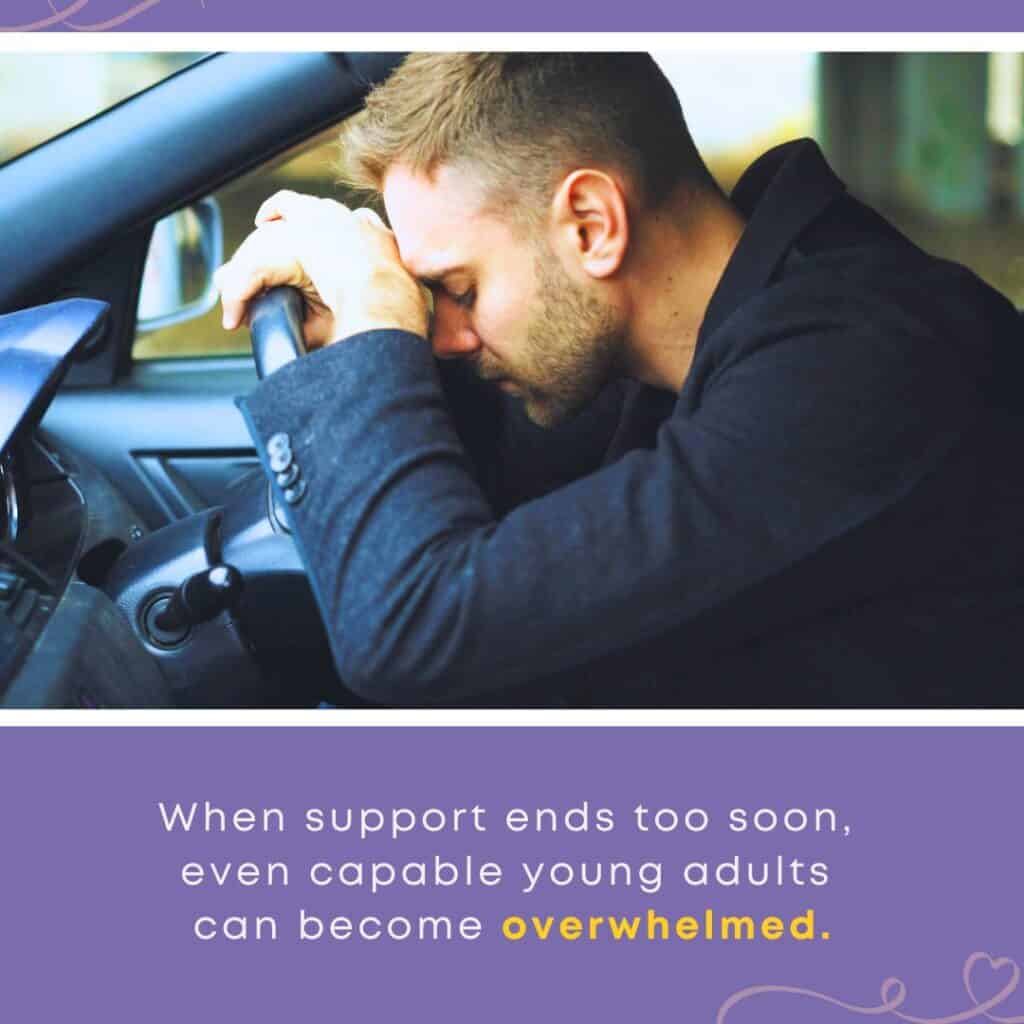
The transition into adulthood is not simply a change in responsibility; it is a formative season where identity, resilience, and direction are still being developed. When support ends too soon, even capable young adults can become overwhelmed—not due to lack of potential, but due to a lack of steady presence that makes growth sustainable.
What happens when we prepare a young person for independence, but do not remain present long enough to support them through it?
Key Takeaways
- Young adults aging out of foster care face an abrupt loss of support that leaves even capable individuals overwhelmed and underprepared.
- Independence is not enough — healing and stability require consistent, relational support over time.
- Information and skills training can inform, but it is lasting relationships that truly transform outcomes for youth aging out of foster care.
- Multigenerational connection and community belonging are essential, not optional, for this population.
When Support Ends Too Soon
Several years ago, a young woman who had grown up at Palmer Home returned to visit, reflecting with gratitude on the care she had received and the opportunities she had been given, including attending college after aging out of foster care.
But her story revealed something more complex.
Arriving on her new college campus, she found herself alone in a way she had never experienced. The consistent presence that had guided her was gone, replaced by a quiet uncertainty she did not know how to navigate. Without a trusted voice to help her process fear and self-doubt, she became vulnerable. Within months, she withdrew from school, overwhelmed and unsure how to move forward.
Her story is not uncommon. It reflects a gap in how we understand development, particularly for young people shaped by trauma.
Research and experience alike continue to affirm that trauma impacts far more than behavior; it influences how individuals regulate emotions, form relationships, and perceive themselves in the world. Healing, therefore, is not achieved through opportunity alone, but through consistent, relational support over time.
People need other people.
A Call to Move Upstream
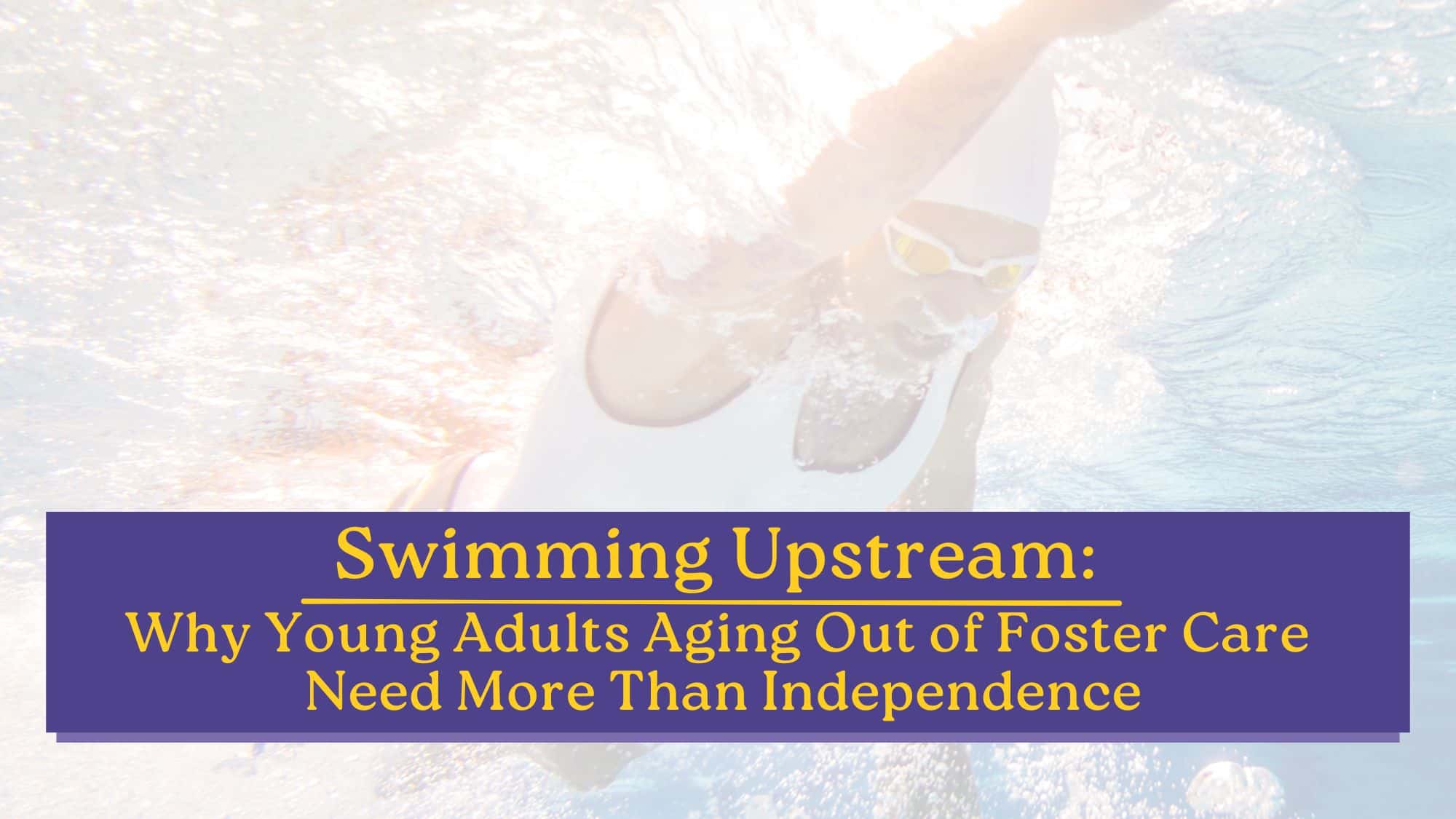
As followers of Christ, we are invited into a different way of responding, one that calls us not only to meet immediate needs but to move toward the deeper realities that shape a person’s life. To “swim upstream” is to resist the pull toward quick solutions and instead invest in the long, relational work that leads to lasting change.
This perspective challenges the assumption that independence is the ultimate goal, recognizing instead that connection makes independence possible. Scripture reminds us we were never meant to walk alone (Ecclesiastes 4:9–10), calls us to carry one another’s burdens (Galatians 6:2), and assures us of God’s presence even in life’s deepest waters (Isaiah 43:2).
If this is how God meets us, it is also how we are called to meet others—by walking alongside them.
A Commitment That Continues After Aging Out of Foster Care
It was this conviction that led Palmer Home to establish its Transitional Care program in 2017, extending support to young adults ages 18–24 during one of the most critical and often overlooked seasons of life. As part of a broader, holistic approach shaped by our Whole Child Initiative, this work recognizes that development does not occur in isolated categories but through the integration of physical, emotional, spiritual, social, and educational well-being.
Rather than releasing young adults into independence and hoping they succeed, the program is built on remaining present—offering guidance and stability as they navigate adult life. While practical support such as housing, education, and employment remains essential, the true impact of this work is found in the relationships that sustain it.
It is the steady voice in uncertainty, the trusted presence through setbacks, and the reminder that identity is rooted in God-given purpose.
This kind of care is carried out by the people who choose to stay.
The Power of Presence When Aging Out of Foster Care
We have seen how this presence profoundly shapes lives.
One young man entered Transitional Care with distrust and self-doubt.
Surrounded by consistent support, his response began to shift. When he struggled, he reached out instead of withdrawing. Over time, he developed stability in both circumstance and identity.
Today, he is employed, continuing his education, and building healthy relationships.
A young woman entered the program with a similar uncertainty about her future, carrying the weight of past instability and unsure of what was possible for her life. Through consistent encouragement, guidance, and support, she began to see herself differently—not defined by where she had been, but by who she was becoming.
Today, she is preparing to graduate with a degree in social work, motivated to walk alongside others facing similar challenges. Her story reflects not just achievement, but transformation—what becomes possible when someone has the support to grow, to persevere, and to step into purpose.
The difference is not capability. It is the presence of someone who stayed.
Reaching Beyond the Current
While Transitional Care has created meaningful outcomes, many young adults aging out of foster care never experience this support.
In response, Palmer Home is expanding through a virtual coaching model, connecting young adults with mentors who provide guidance, accountability, and encouragement.
Because while information can inform, it is relationship that transforms.
The Moment That Changes Everything
Not long ago, a young man who had once resisted guidance reached out during a moment of crisis. For the first time, he was ready to receive help. What had been met with hesitation was now replaced with a willingness to consider a different path forward—this moment marked a turning point.
Because someone had remained present in his life, there was still a bridge to return to—a voice he trusted and a relationship steady enough to meet him where he was. Instead of facing it alone, he found clarity, direction, and hope when he needed it most.
These moments represent both vulnerability and possibility—but only if someone is there to respond.
This is where the invitation becomes personal.
An Invitation to Stay
We often assume meaningful impact requires large-scale solutions, yet transformation often begins with a simple decision: to show up, invest, and remain present. Whether through mentoring, supporting programs that prioritize long-term relational care, or simply taking the step to learn more, each response contributes to a larger movement of restoration.
What if every young adult aging out of foster care had someone to call in their most uncertain moments?
At Palmer Home, we believe this kind of presence changes trajectories—shaping lives marked by resilience, purpose, and hope.
This work is not ours alone. It is an invitation to reflect the love of Christ through consistent, relational care.
Because when someone chooses to stay, everything changes.
Summary
When young adults age out of foster care, they are often handed a checklist of life skills and pointed toward the door. But surviving on your own and truly thriving are two very different things. What the research — and the stories of young people themselves — makes clear is that skills alone are not enough. What transforms a life is not a pamphlet or a program. It is a person. It is the older woman who still answers the phone. The family that pulls you into the huddle. The mentor who shows up, again and again, over time. For young adults aging out of foster care, that kind of consistent, relational support is not a luxury — it is the very thing that makes healing possible.