Encourage Children
How to Develop Self-Confidence in Children
These six steps can help you to build self-confidence and a positive self-image in your children.






September 1, 2026
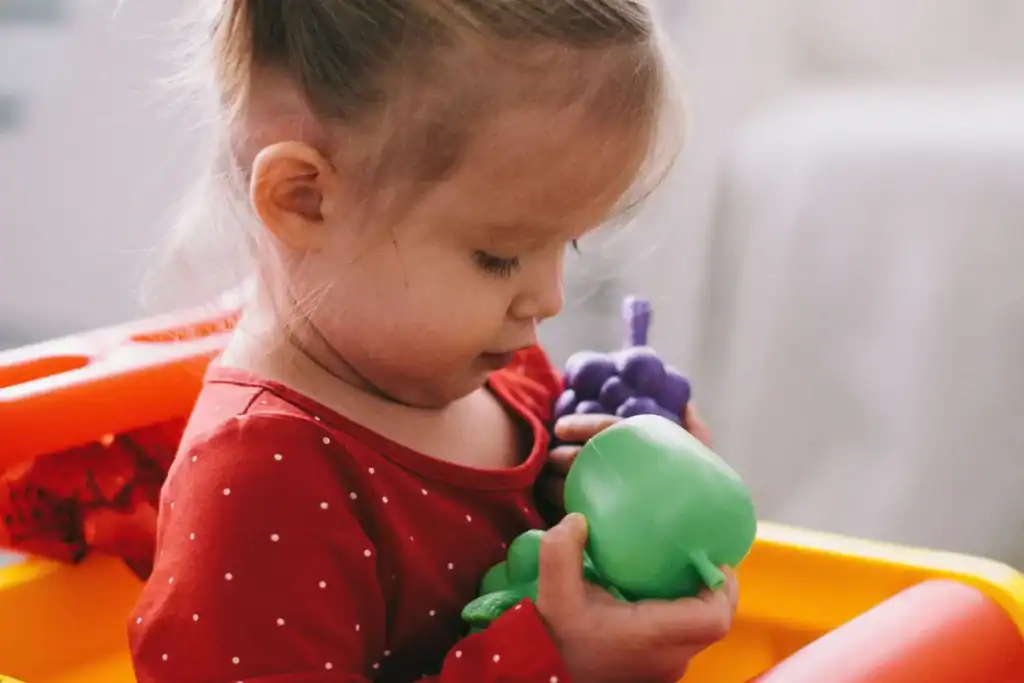
Kids need play, not excessive toys. Fewer toys foster better creativity & engagement with real-world activities, preventing sensory overload and addiction.
Estimated reading time: 7 minutes
Researchers are finding children’s toys to be a major hidden contributor to sensory overload, clutter in the home, and addictive behavior later in life. Instead of adding more time outside, more organization, more discipline, and more sensory-sensitive toys, parents are finding that the simplest solution is to subtract the toys.
From 2009-2010, the Italian photographer Gabriele Galimberti traveled to over 50 countries asking children to show him their favorite toys. Scrolling through his photos on IG, I kept waiting to see a child sitting on top of the mountain of toys that I’ve come to associate with American childhood. Photo after photo, country after country, their smiles were a focal point for the array of things that bring them joy. The resulting book, Toy Stories, has been praised as a reflection on cultural differences, wealth disparity, and economic awareness. To me, the photos were not strikingly different but strikingly similar. Regardless of their socioeconomic status, there just weren’t that many toys in the photo. How could that be?
As a mom of two who struggles with mental health and fatigue, toys weighed on me. I was always picking them up, or trying to convince my kids to pick them up, or stepping over and around them when I ran out of time and energy to pick them up. Throwing them away felt wasteful, finding them a new home was more work than putting them away, and my pleading requests that people stop buying my kids toys fell on deaf ears. It felt like a game of Tetris that I was losing, and my only hope was that, when the toys reached the ceiling, maybe the game would reset and all the toys would go away.
But then I wondered. “What if I stop waiting until we’re drowning in toys to make a change? What if my kids, like the kids in Toy Stories, don’t like most of their toys?”
I decided to try an experiment. I piled every single toy in our home into a giant box and gave my young children the choice to reclaim five of them. The rest of the toys went into the garage, where they could ask for one back if they wanted it.
My kids picked their five favorite toys and never asked for any of the others back. Not only that, they slept better. They played longer by themselves without nagging me for snacks every 10 minutes. The mood in our home shifted overnight from frantic to settled, from distracted to focused.
I have since told my friends about my experiment, and they have tried it themselves with similar success. Kids who previously flew into hysterics at the mere suggestion of giving away one toy were relieved to have almost all of their toys removed from their environment.
There’s a reckoning coming for the toy situation in America. We have 3% of the world’s children, yet we consume 40% of the global toy production. This is not normal.
A lot of families are realizing that they have far more toys than they need, but they lack a clear path to walk it back to something reasonable because toy overload has been so normalized in American childhood that “reasonable” feels practically medieval.
Here’s what I’ve learned from helping families give the toy-free life a try: toy overload is more out of control than they realized, getting rid of the toys is easier than they thought, and they always wish they had done it sooner.
Kids need play. They will play with toys; they will play without toys. In fact, the fewer the toys, the better they play.
Researchers are starting to examine the effects of toy overload on not just kids’ stress levels but also the mental health of primary caregivers. They’ve found that having four toys is better for toddler development than 16 toys. German researchers in the 1980s traced addictive behavior to chronic distraction beginning in childhood, and have since used the removal of toys from kindergartens as a kind of anti-addiction curriculum.
As with almost everything parenting, it’s about moderation. A single toy might promise to teach your child important things about engineering or empathy, but a room full of toys leads to chronic distraction, sensory overload, and a consumerist mindset.
Going toy-free is a bit like going sugar-free. Ditch the donuts, keep the carrots. The intention is not to eliminate ALL sugar, but to reduce overabundance. Some people like to point out that if my child plays with a stick, that makes it a toy. Do I get rid of sticks? No.
When we went “toy-free,” each of my kids got to keep five toys of their choosing. We also kept puzzles, dress-up, books, blocks, and games. I decided that Legos count as blocks, as do Magna-Tiles and waffle blocks. We kept bikes by conveniently designating them as “vehicles.” We kept art supplies.
What we got rid of was the kitchen set with a hundred mini plastic versions of food, the singing picnic basket that you couldn’t even use as a basket, the shoe-box sized trucks (fire truck, garbage truck, tow truck, so many trucks), the dolls with their strollers and bottles and shoes, the toddler versions of instruments (piano, trumpet, guitar, drum) that have three buttons and pushing any one of them will result in a 2-minute long song that feels like an hour.
What happened when those things went away? My kids started getting interested in real cooking, in the real kitchen, with real food. They started playing real instruments. They took on bigger roles in caring for our pets, and if they needed a picnic basket, they used an actual basket.
Summer is the perfect time to take a break from toys because kids have more opportunity to solve their boredom outdoors. If you are considering a major toy purge, know that it will feel drastic at first, but it doesn’t have to be permanent.
Tell your kids that you are moving toys to temporary storage, but they can choose four or five things to keep in the house. Let them know that they can ask for any toy back at any time. Ask if they would like to help you move the toys, or if they want you to do it for them.
With or without your child’s help (depending on your discernment), move the rest of the toys into temporary storage. This can be the garage, the attic, the basement, a storage unit, or the home of a co-conspirator. Wait at least a month. During that time, be willing to retrieve a toy if your child regrets sending it away.
At the end of your toy-free experiment, whether it’s three weeks or three months, assess the changes in your home and family behavior. If going toy-free was a positive change, consider giving away the toys for good. If your kids are money-motivated, consider letting them have a yard sale and let them keep all of the funds they raise from re-homing their toys.
In most cases, it really is that simple. Remember, the photographer Galimberti didn’t ask kids to show him all of their toys; he asked to see their favorite toys. No matter how many toys a child has, there seems to be a ceiling to how many they can truly enjoy. And kids are fully capable of curating the toys they love.
Here’s a podcast interview where I go deeper into the research and nuances of going toy-free:
The Toy-Free Home is a tiny book that unpacks some of the mindsets that lead to toy overload and lays out gentle, actionable steps to reduce the toys in your home.
Have you been asking people to stop giving you toys, but they don’t listen? Here’s my ultimate toy-free gift guide to help intentional families build a better wishlist for birthdays and holidays. (Feel free to forward it to That Person.)





These six steps can help you to build self-confidence and a positive self-image in your children.

You know who the first person you want to tell is, so here are 20 cute ways to tell your husband you’re pregnant.

When you compete for your grandkids’ love, nobody wins