




Fun in Parenting
Neglectful Parenting: You’re Not Stuck
Do you feel like your life is mostly chaos? You have an opportunity to overcome neglectful parenting habits to build a strong foundation for your kids and family.
March 12, 2020
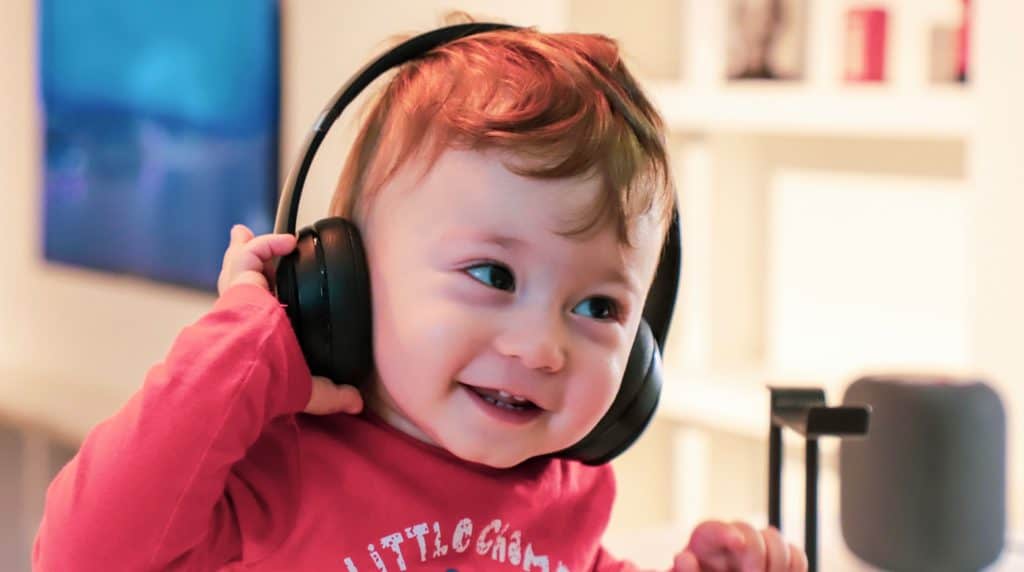
Kids do not need to be auditory learners in order to benefit from this learning style. In fact, most kids tend to absorb knowledge in a variety of different ways. Weaving auditory learning into our kids’ learning is an excellent way to help them grow and thrive.
Our kids have each been created with unique personalities, gifts, and talents. One of the ways God has made each of our kids unique is through the ways that they learn. Currently, there are seven different styles of learning. These can be further boiled down into three basic styles:
While kids do learn through all of these methods, each child will tend to gravitate toward one specific learning style.
Auditory learning is an active style of consuming information where the child learns most effectively through listening and talking. Approximately 30% of school-aged children are considered auditory learners. Kids who are auditory learners tend to gather information by listening and discussing new concepts. Music may also play a large part in his or her learning process. Many children who are auditory learners are more comfortable sitting and listening to the teacher talk than taking notes in class.
However, kids do not need to be auditory learners in order to benefit from this learning style. In fact, most kids tend to absorb knowledge in a variety of different ways. Weaving auditory learning into our kids’ learning is an excellent way to help them grow and thrive.
There is something very personal about listening to someone talk. It’s as if you are being welcomed into their life and experiences. The sound of a person’s voice will draw our children in and catch their interest. Stories told on audiobook or radio theater that have silly voices and dramatic elements can spark our child’s imagination and make listening to the story fun. These types of stories demonstrate to our kids that reading can be something enjoyable rather than a task. Perceiving reading as fun can encourage children to want to read more. Furthermore, listening to a story read aloud by a parent can encourage bonding between the parent and child. Lastly, stories can help our kids to escape life’s pressures and can improve their mood.
Kids who listen to audio programs such as radio theater will learn how to interact with others through what they observe on the program. Children will often imitate this behavior as they learn and develop their social skills. It is important to let your kids listen to programming that will teach them how to exhibit positive, Christlike behavior.

There are many academic benefits to auditory learning. First, kids learn critical listening, thinking, and comprehension skills. Auditory learning also improves focus, attention span and memory. Combining auditory learning with visual and kinesthetic learning can improve a child’s retention of new concepts.
Listening also is a major factor in language development. It is the first language skill that we have as babies. Listening to speech will help our kids with pronunciation and fluency and will expand their vocabulary. Children who listen to audible stories have shown increased reading accuracy and speed when reading. Auditory learning is certainly complimentary to the other learning styles in helping our kids learn.
One of the wonderful things about technology is that there is no shortage of audio content for our kids to listen to. Libraries are excellent resources for audiobooks. Podcasts of all types can be found on various streaming services. Websites like Audible.com have subscription plans for audiobooks on every topic. There are a lot of great resources for content that is kid-friendly and will teach your kids values that will help them grow in Christ.
Now that you know the benefits of auditory learning, how can you incorporate it into your child’s learning? Here are a few practical examples:
There are many benefits of weaving auditory learning into your child’s unique learning style. First, discover your child’s learning style. Get them actively involved in learning through a variety of styles in order to help them learn and grow.
© 2020 Focus on the Family. All rights reserved.






Carol Cuppy is a writer and content producer for Focus on the Family.
Do you feel like your life is mostly chaos? You have an opportunity to overcome neglectful parenting habits to build a strong foundation for your kids and family.

Does the permissive parenting style work? Learn more about the practical side of this parenting style and its potential risks and pitfalls.

Biblical discipline is more than correcting behavior—it’s a loving, intentional process rooted in God’s character. Scripture defines discipline and why it plays a vital role in guiding children toward maturity, obedience, and long-term spiritual growth.